The short version
- In Sharm, only Egyptians can own land and buildings; foreign buyers get a long-term right of use (usufruct).
- Property worth $50k+ can support a residence permit and $200k+ a 5-year one; ask a lawyer whether a Sharm right-of-use contract qualifies.
- On top of the price, budget for a lawyer, any agent's fee and small official fees; the 2.5% sale tax is the seller's to pay.
- Off-plan can cost less, especially if you pay the full price upfront, but carries delivery risk; ready property can be inspected.
- Use an independent English-speaking lawyer, not one introduced by the seller.
Can foreigners own property in Egypt?
In most of mainland Egypt, yes: Law 230 of 1996 lets foreigners own up to 2 homes for themselves and their family, of up to 4,000 m² each, and owners normally cannot sell within 5 years.
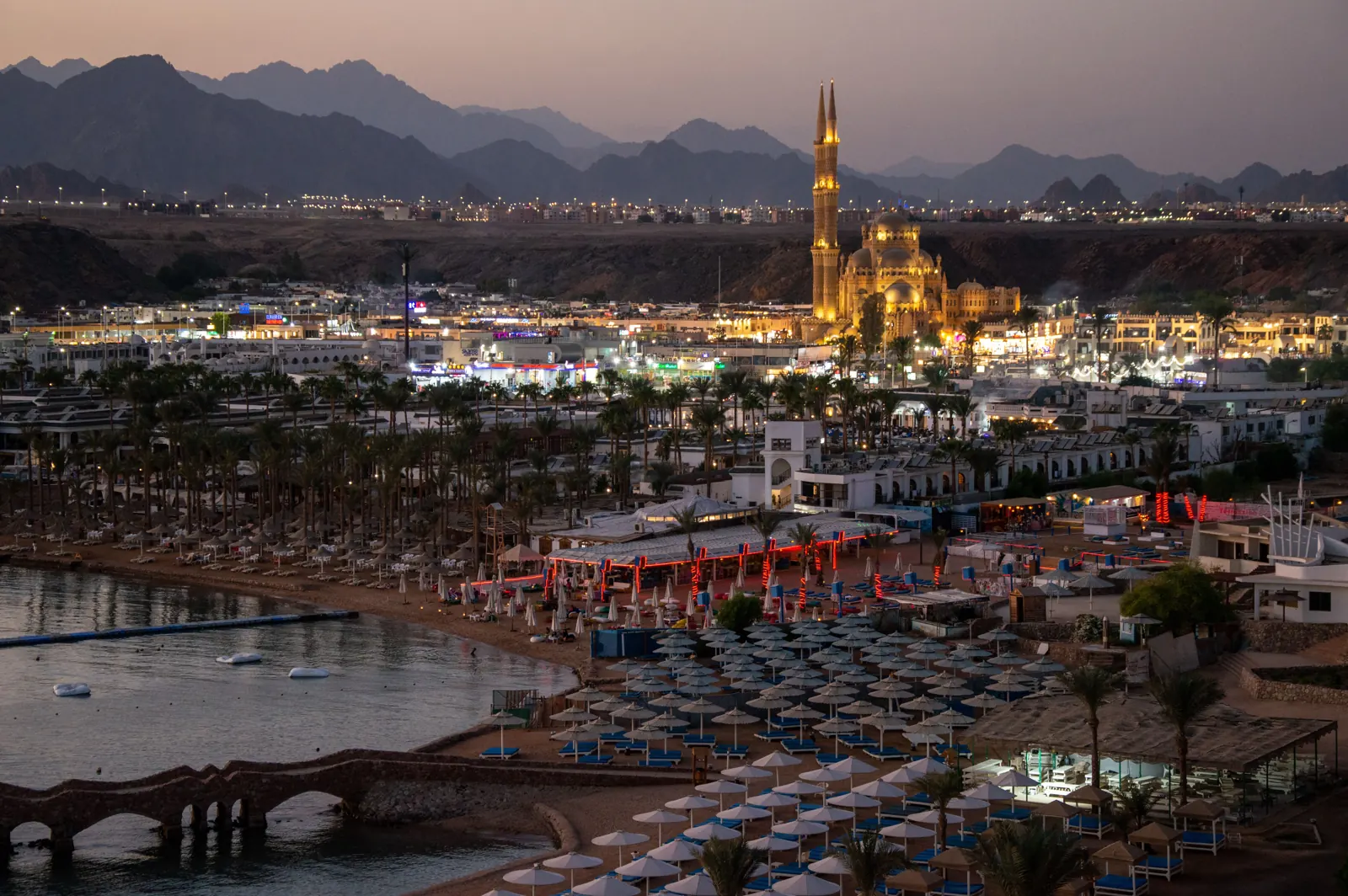
Sharm El Sheikh is different. Presidential Decree 128 of 2022 covers Sharm El Sheikh, Dahab and the Gulf of Aqaba coast, and only Egyptians and companies fully owned by Egyptians can own land and buildings there. Foreign buyers in Sharm get a long-term right to use a property (usufruct) for a fixed number of years, not ownership.
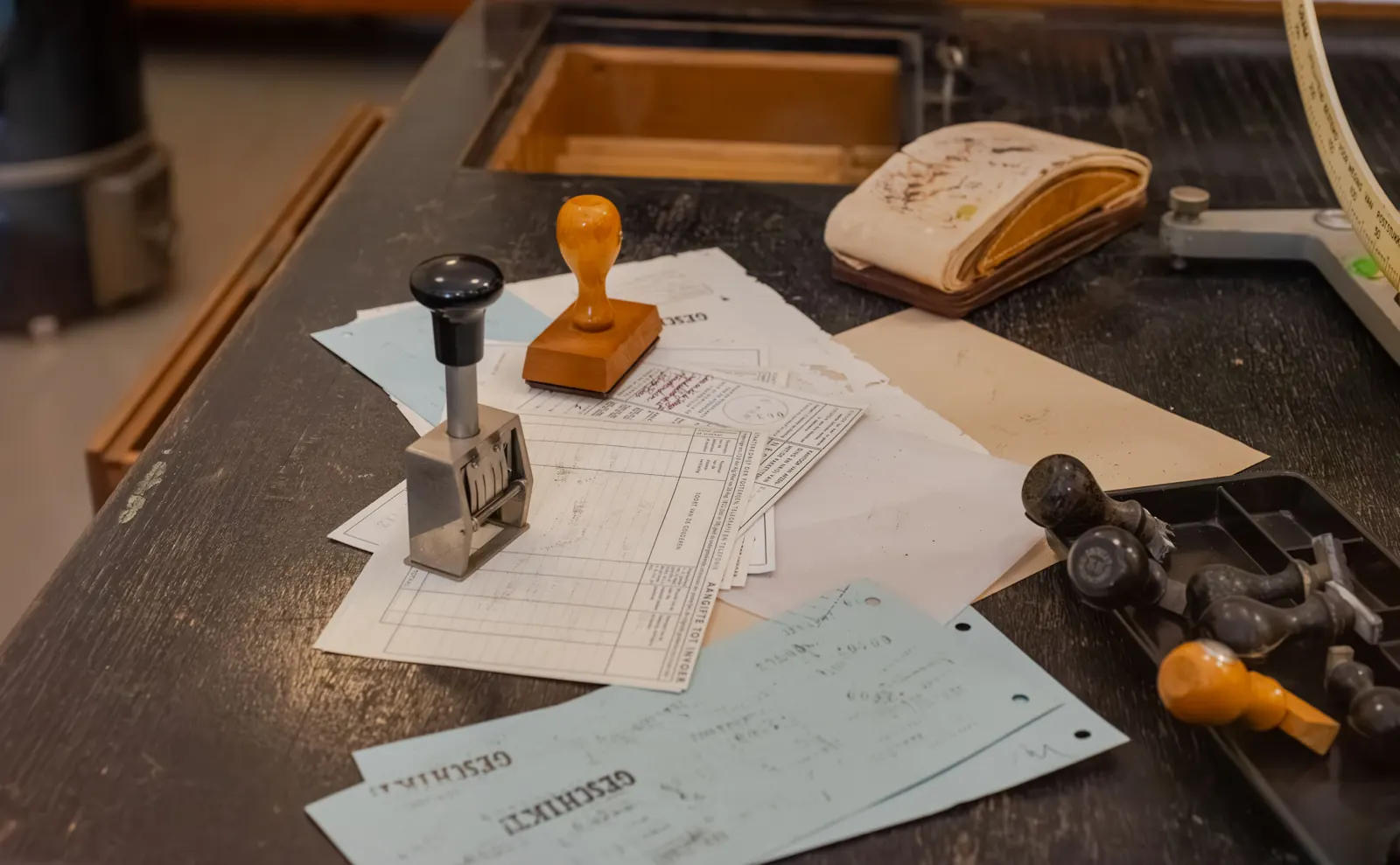
Before you pay, ask an independent lawyer exactly what your contract gives you, for how many years, and what happens at the end of the term. A registered contract, often called the "green contract", recorded at the Real Estate Publicity Department (Shahr El Aqary), is the strongest proof of title.
Sharm neighbourhoods, quick guide
Each area has a different feel, price level and crowd, so visit a few before you choose.
Naama Bay
Walkable to restaurants, dive centres and the beach. Sharm's busiest bay.
Typical: apartments, compact villas
Hadaba
Homes on the cliffs above the sea, with wide Red Sea views.
Typical: villas, mid-rise apartments
Ras Um Sid
The quieter southern tip of Sharm, near the lighthouse.
Typical: apartments, boutique resorts
Sharks Bay
Close to the airport, about 4 km by road, with calm, shallow water near the shore.
Typical: aparthotels, new-build apartments
Nabq Bay
Resort compounds and beachfront villas on Sharm's quieter northern coast.
Typical: off-plan compounds, large resorts
Ras Nasrani
Near the airport, between Sharks Bay and Nabq Bay.
Typical: luxury villas, new compounds
What does it really cost?
The price is never the full cost. Before you sign, ask your lawyer for a written list of every cost. These are the usual items:
| Item | What to expect |
|---|---|
| Property registration | A small fixed fee set by floor area at the Real Estate Publicity Department, plus a lawyers' syndicate fee on the contract. If you are buying a right of use, ask whether it will be registered. |
| Lawyer (independent) | Agree the fee in writing before work starts. |
| Agent commission (if any) | Agree it in writing. |
| Notary + translator | Ask for a quote. |
| Compound charges | The yearly service charge and any one-off maintenance deposit. |
| Sale tax | 2.5% of the price, paid by the seller by law. Check your contract does not pass it to you. |
We found no reliable public figures for these costs in Sharm, so get every amount in writing.
Does buying give me residency?
Egypt introduced a property-linked residency pathway for foreign buyers. Current tiers (subject to change):
- Tier 1$50k+1-year renewable residency
- Tier 2$100k+3-year renewable residency
- Tier 3$200k+5-year renewable residency
Rules change. They have required the full price to arrive from abroad through an approved Egyptian bank. In Sharm, where foreign buyers get a right of use, ask a lawyer whether your contract qualifies before you transfer any money.
5 things first-time buyers get wrong
-
1. Using the seller's lawyer
A lawyer introduced by a seller or developer is not on your side. Pay for an independent one, and agree the fee in writing.
-
2. Paying before the title is verified
An unregistered preliminary contract is not the same as a registered title (the "green contract" from Shahr El Aqary). Check that the seller's own title is registered, and pay in stages, with the final payment against registration.
-
3. Believing the rental-yield brochure
Brochure yields and "guaranteed rentals" are sales claims. Ask what costs they leave out, then subtract compound charges, maintenance, management, booking platform fees and empty weeks, and compare with real booking records for similar homes. We found no reliable public data on rental yields in Sharm.
-
4. Off-plan deposit without an escrow clause
If the developer delivers late or not at all, what happens to your deposit? Make sure the contract has delay compensation and a clear refund route.
-
5. Ignoring the management burden
A holiday let in Sharm needs someone on the ground: key handover, cleaning, maintenance and guest support. Either pay a licensed management company a share of the rental income (get the rate and what it covers in writing) or set up direct relationships with a cleaner, handyman and key-holder. See our concierge services for local options.
Frequently asked
Do I need to be in Egypt to complete the purchase?
You can give your lawyer a power of attorney, made at an Egyptian consulate (Egypt does not accept apostilles), and complete without travelling. Seeing the property yourself first is wise.
Can I get a mortgage as a foreigner?
Egyptian mortgages are rare, so most foreign buyers pay the full price upfront or use a developer instalment plan. The deposit, length and currency vary, so get the schedule written into the contract.
What's the property tax?
Egypt charges a yearly property tax of 10% of the officially assessed rental value, after a 30% allowance for homes. Only your one main family home is exempt, up to a high limit, so a holiday home or rental flat is taxed every year, and right-of-use holders pay it too. Ask a tax adviser about your property.
Can I list it on Airbnb / Booking?
Yes, with a licence. By law, every home let to holidaymakers for short stays needs a Holiday Home licence from the Ministry of Tourism, renewed every year. You can apply yourself, or use a licensed management company whose licence covers your unit. Check your compound's own rules on short lets too.
What currency do I pay in?
Agree the payment currency in the contract and pay through a bank, never in cash. Property residency has required the full price to arrive from abroad through an approved Egyptian bank, so confirm the current rule with a lawyer before you transfer.